
Frequently Asked Questions
The Project
-
Indicative resource analysis indicates a scale of 80-100 wind turbines across two stages, with a combined capacity of approximately 400-600MW.
-
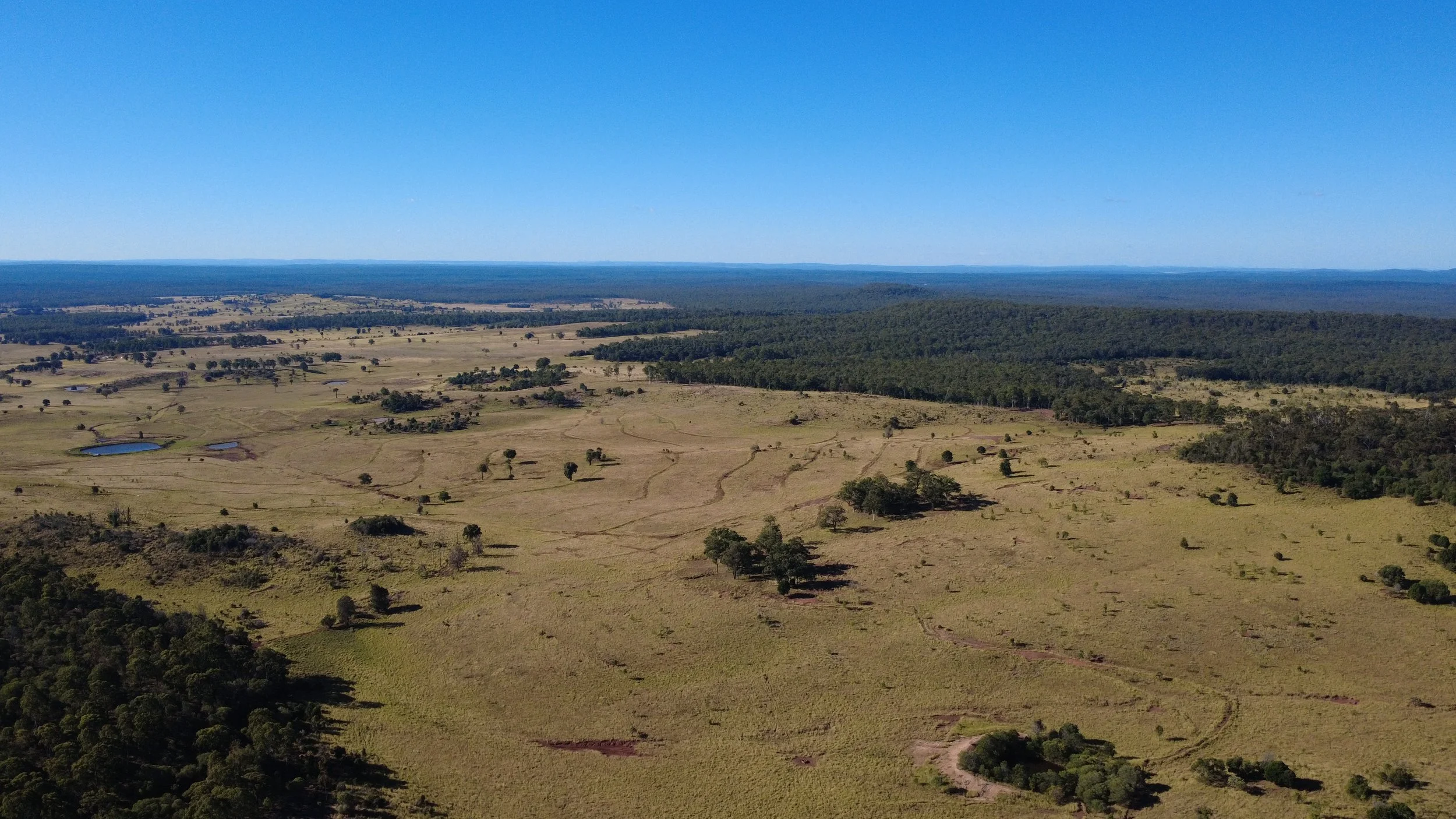
The project area is ideally suited to host a large-scale renewable energy project. A combination of key factors include:
Strong wind resource on elevated terrain
Low residential density
Direct path to existing transmission infrastructure
Low-complexity terrain predominantly cleared and history of timber plantation
Co-existence with existing agricultural operations in the district
Proximity to skilled local businesses in Mundubbera and Chinchilla
Opportunity to avoid and minimise impacts on sensitive environmental values
Established transport access
-
A development application is anticipated to be submitted to the State Government in 2027, and start of construction could be in 2030, subject to permits and approvals.
-
Once operational, the wind farm will utilise a small fraction of the total land area – typically 1-3%, leaving the rest available for existing land uses to coexist.
-
The project is in early development. Wind monitoring and ecology surveys are currently occurring on site with civil engineering, transport studies and grid connection studies occurring to support planning approvals.
The economy
-
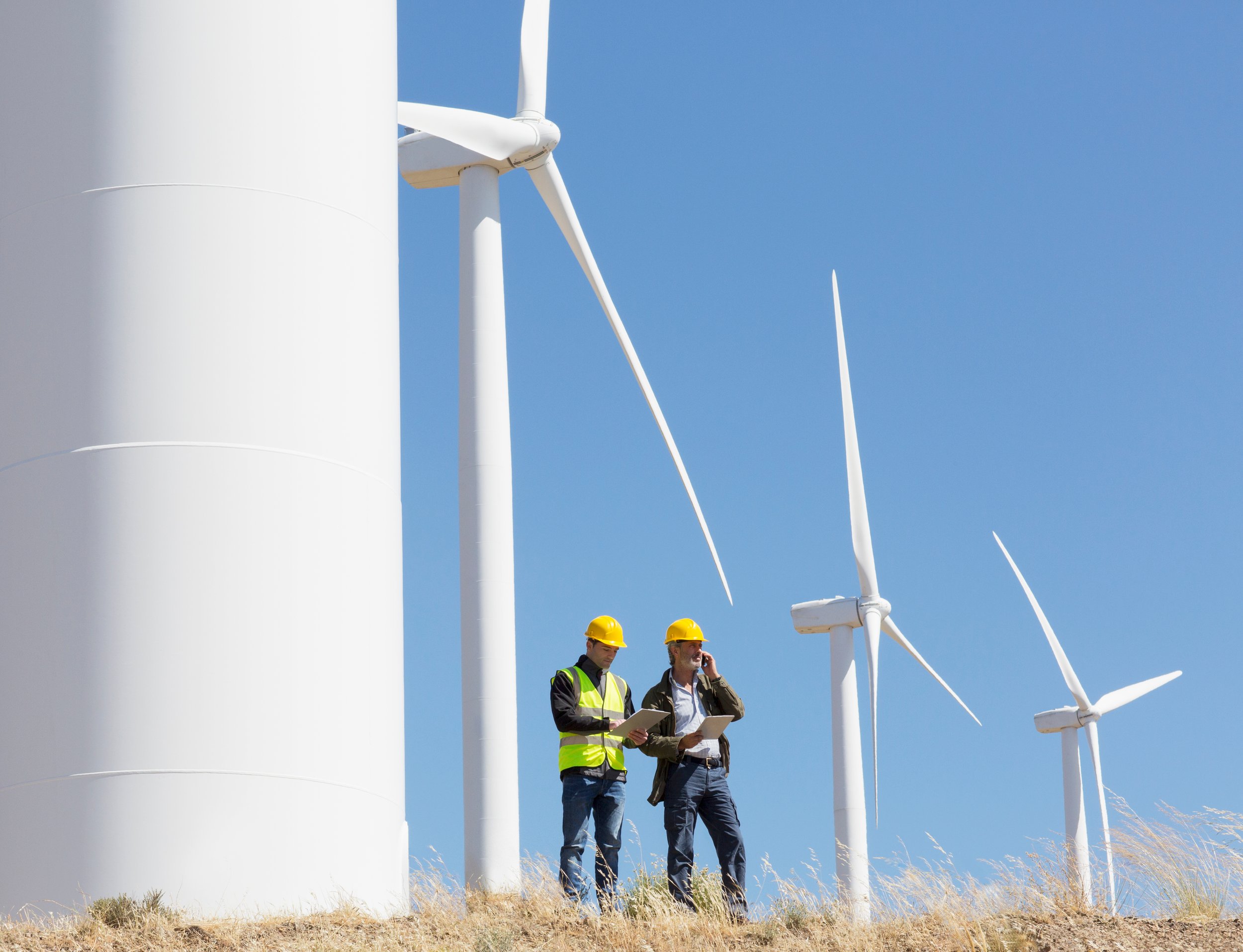
The Project is anticipated to support approximately 300 jobs during the construction phase, and up to 12 jobs during the 30 year operational phase.
-
The Project will create a range of employment and contractor opportunities, during both the construction and operational phases of the project.
During construction, skills such as electricians, mechanical fitters, truck drivers, engineers, safety works and site operatives are required.
During operations, the Project will require up to 12 full-time, locally based operatives to manage the safe and effective operation of the project. These jobs present long-term, stable and skilled roles for locals to participate in.
-
The construction of the Project is expected to take approximately 30 – 36 months, with a peak workforce need over 18 – 24 months.
-
The Project is anticipated to support approximately 300 jobs during the construction phase. A local workforce will be prioritised where possible, maximising local opportunities and business activity. Some external labour will also likely be required. The outside workforce is intended to be accommodated in a dedicated workers accommodation facility.
-
The Project is anticipated to have a lifespan of at least 30 years.